
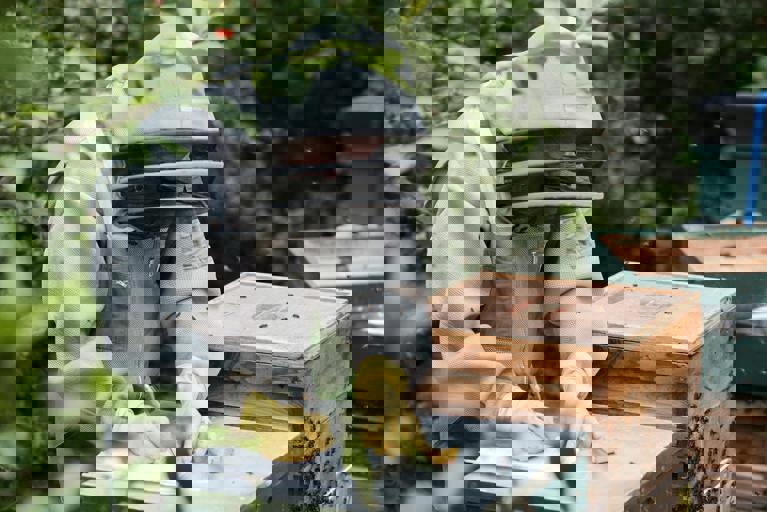
Perched atop a bustling urban building, a newly installed rooftop beehive has produced its inaugural harvest of organic honey, marking a remarkable milestone for urban agriculture enthusiasts. City residents gathered this week to celebrate the event, marveling at jars of golden honey extracted from a project that began just last spring. The initiative was launched by a community group determined to bring sustainable food practices and pollinator awareness to the heart of the city.
The rooftop beekeeping venture was inspired by a broader movement advocating for green spaces in urban environments. Organizers sought not only to provide locally sourced honey but also to educate the public on the importance of pollinators within the urban ecosystem. As project coordinator Sarah MacPherson explained, “This is about creating habitats for bees, supporting biodiversity, and encouraging healthy, sustainable lifestyles in city settings.”
Establishing the beehive required collaboration between volunteers, building management, and local experts in apiculture. Safety was a top priority, and residents were briefed on honeybee behavior to ensure harmonious coexistence. Regular workshops offered by certified beekeepers gave participants hands-on experience in hive management and honey extraction, fostering a strong sense of community ownership and environmental responsibility among those involved.
City residents and urban gardeners alike have taken keen interest in the project’s outcomes. Some have noted a visible increase in floral abundance and improved garden yields in areas near the beehive, suggesting enhanced pollination. “Since the bees arrived, my rooftop tomato plants have never looked better,” shared building resident Carla Young, highlighting the interconnected benefits that urban beekeeping provides for local agriculture.
For many, the highlight was tasting the honey from the first harvest, characterized by delicate floral notes unique to the city’s diverse plant life. Laboratory analysis confirmed its purity and high quality, meeting organic standards. The batch yielded roughly twenty kilograms of honey—enough to distribute samples to residents and support a small community sale, with proceeds reinvested into the beekeeping program for future expansion.
Beyond producing honey, the rooftop apiary serves as an educational tool, hosting regular tours for schools and local organizations eager to learn about bee biology and food sustainability. Urban students who have visited the hive expressed fascination. Grade-seven student Liam Park said, “Seeing bees at work up close made me realize how important they are for our food. It made science class come alive!”
As rooftop beekeeping grows in popularity, cities across Canada are working to update policies and regulations to accommodate safe urban apiaries. Municipal officials are collaborating with environmental groups to ensure best practices are adhered to, focusing on non-invasive bee species and proper hive placement. According to the Canadian Urban Beekeeping Association, more than 30 percent of major Canadian cities now support regulated urban beehives, highlighting a nationwide shift toward greener, bee-friendly cities.
Looking to the future, project leaders hope the success of this rooftop harvest will inspire further investment in urban agriculture and pollinator habitats. Plans are underway to expand the initiative to additional rooftops and introduce bee-friendly flowering plants around the city. As the first jars of honey find their way onto breakfast tables, they serve not only as a delicious local treat but as a symbol of how sustainable food systems can thrive—even at the heart of the concrete jungle.