
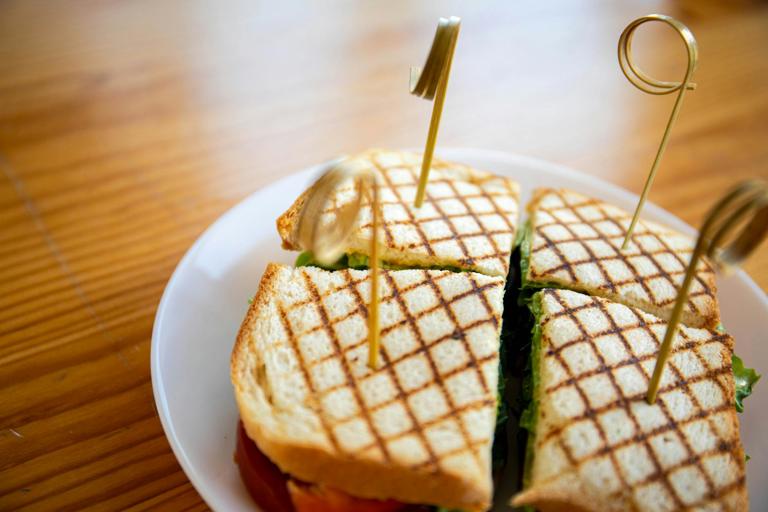
Nestled in a bustling neighborhood, a recently relaunched bistro is drawing crowds with a culinary experience grounded in the farm-to-table philosophy. The restaurant’s seasonal tasting menu, conceived by celebrated local chef Marc Leclerc, is gaining attention for its innovation and commitment to showcasing Canadian produce. Diners are enthusiastic, making reservations weeks in advance, eager to experience cuisine that truly reflects the country’s agricultural bounty.
Chef Leclerc, well-known throughout the city for his inventive approach and respect for ingredients, spent the last year forging relationships with nearby organic farms. "Every dish is a collaboration between the land, the farmers, and my team," he explains. Leclerc’s vision aims to foster a deeper appreciation for local sourcing, highlighting how terroir can shape both flavor and the overall dining experience.
This new seasonal tasting menu changes frequently, reflecting the rhythm of the harvest. At present, guests can enjoy dishes like heirloom tomato salad with fresh basil oil, wild-caught pickerel atop spring pea purée, and grass-fed beef carpaccio with ramps and morels. The chef insists that these ever-evolving creations allow diners to taste the landscape, season by season, with ingredients sometimes harvested only hours before they reach the plate.
Patrons have responded enthusiastically, with many describing the menu as a revelation in Canadian cuisine. Julia Mandel, a frequent guest, commented, “It’s not just a meal; it’s a celebration of what grows in our own backyard. Each course is like a love letter to the province.” Such praise is echoed on social media, where vibrant photos of the tasting courses have helped boost the bistro’s popularity beyond the neighborhood.
Local farmers, too, are benefitting from the restaurant’s ethos. Pierre Lemieux, owner of a nearby vegetable farm, notes that Leclerc’s orders enable him to experiment with heritage varieties. "When restaurants commit to what we grow, we can plant things that supermarkets simply won’t buy—rare carrots, unusual greens. It’s rewarding and supports biodiversity," Lemieux shares, reflecting a wider shift towards sustainable agriculture.
Industry experts credit the bistro’s approach for reinvigorating interest in regional foods among urban consumers. According to food analyst Renee Chang, increased demand for locally sourced menus is part of a broader Canadian trend. “People want to feel connected to what they eat and support their communities. Innovative chefs like Leclerc are making local food exciting again,” Chang observes.
The accessible atmosphere at the bistro is a deliberate choice, with the chef and staff eager to introduce more Canadians to thoughtful dining that doesn’t feel exclusive. Diners can choose between a full tasting menu or a more approachable three-course version, ensuring that the experience is available to a wide range of guests, from passionate foodies to curious newcomers.
Wine and beverage pairings further enhance the meal, with an emphasis on Canadian wineries and craft brewers. The sommelier selects vintages from Ontario and British Columbia that harmonize with the food’s freshness, while non-alcoholic pairings spotlight local fruit juices and herb infusions. This comprehensive focus on national producers is a subtle yet powerful way to reinforce the bistro’s commitment to supporting Canadian artisans.
As interest in sustainable dining surges across the country, other restaurateurs are looking to Chef Leclerc’s model for inspiration. Culinary schools have invited him to speak about integrating local sourcing into modern menus, and professional organizations cite the bistro as a case study in how thoughtful procurement can shape a business’s reputation and customer loyalty.
Looking ahead, Chef Leclerc hopes to expand partnerships with additional small-scale producers and launch community events such as farm visits and cooking workshops. “The future of Canadian cuisine is in our fields and forests,” he says. “By bringing people closer to where their food comes from, we can create not just delicious dishes, but also a stronger, more sustainable food culture for all.”