
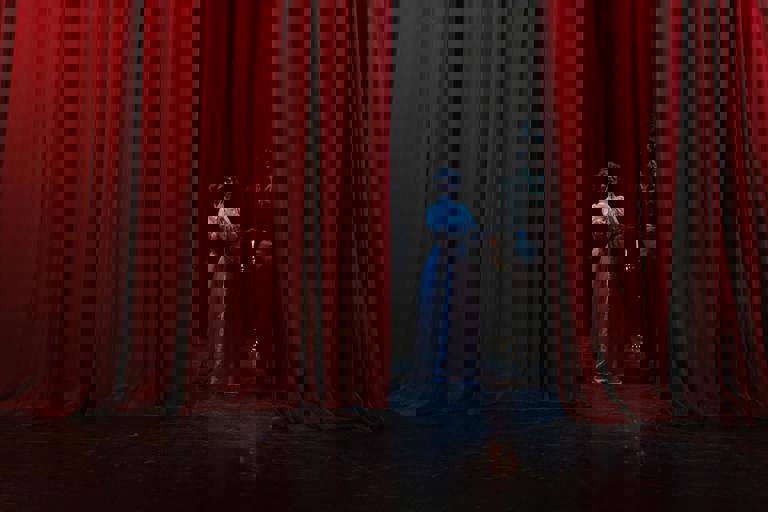
For theater enthusiasts looking for something novel, a groundbreaking form of interactive performance is lighting up the local arts scene. Audiences no longer have to sit passively in their seats, watching stories unfold in a predetermined way. Instead, a visionary theater troupe is inviting attendees to become part of the creative process, allowing them to influence major plot points and ultimately decide how the performance concludes. This new approach promises to make every show a truly unique experience.
The troupe’s latest production breaks from tradition by incorporating audience voting at pivotal moments throughout the play. At several key junctures, the action pauses and viewers are prompted to vote—usually by using their smartphones or colored cards provided at the entrance. The results immediately affect the characters' choices and alter the trajectory of the plot. As co-director Samuel Levesque notes, "We wanted to give power to the audience and embrace the unpredictability of live theater."
Preparation for this interactive production has required significant innovation behind the scenes. Writers crafted multiple scripts and branching storylines, actors rehearsed various possible outcomes, and technical staff developed real-time voting mechanisms. "Every performance is a challenge," shares lead actress Priya Menon. "We don’t know which version of the character we’ll fully inhabit that night. It keeps us sharp and the audience engaged on a different level."
This type of participatory theater is garnering attention not just for its novelty, but for its potential to foster community. Shared decision-making has prompted lively discussions among attendees even before the show begins. Many arrive with friends or family, strategizing about what choices they might advocate for as the play progresses. Audience member Karen Zhou shared after a preview performance, "I felt genuinely invested in the characters because my decisions mattered."
The idea for the interactive format drew inspiration from both classic improvisational theater and modern trends such as "choose-your-own-adventure" books or TV shows like "Black Mirror: Bandersnatch." These influences blend seamlessly to offer a fusion of digital-age participation and the immediacy of the stage. Artistic director Isabelle Tremblay points out, "Audiences today want to be involved. They crave experiences that are immersive rather than passive. We’re just meeting them where they are."
For the technical team, integrating live voting without disrupting the show was no small feat. Custom software tracks each vote and instantly relays decisions to the production crew and cast. On-stage screens or subtle lighting cues reveal results to both the audience and performers. According to technical manager Alex Reynard, "Our system ensures the play runs smoothly, no matter which path wins out, while preserving the theatrical magic."
The interactive design has also influenced the actors’ approach. Instead of memorizing a single arc, performers must be intimately familiar with each possible outcome. This demand for flexibility builds camaraderie among the troupe and heightens the intensity on stage. As veteran actor Jean-Luc Morin explains, "There’s an adrenaline rush every time votes are counted. Sometimes, audience choices surprise us and push the story into uncharted territory."
The format’s popularity seems to be growing with each show. Early ticket sales indicate sold-out performances and an uptick in new faces at the theater. Reports suggest that younger demographics, including many who don’t regularly attend traditional plays, are especially drawn to the participatory aspect of the event. "This breaks down barriers to theater," says community arts advocate Rachel Kim. "People feel ownership over the story, which can only be positive for the local cultural scene."
Critical reception has been enthusiastic. Reviewers praise the interactive show not just for its novelty, but for the depth it brings to storytelling. Theater critic Markos Petros wrote, "By ceding narrative control to the audience, the production elevates familiar themes and lets viewers confront real consequences—something that stays with you long after the curtain falls." Several outlets have highlighted the educational potential for students, offering a hands-on lesson in empathy and decision-making.
Alongside entertainment, this participatory model raises questions about authorship, agency, and collective responsibility in storytelling. Workshops have been organized alongside performances, giving both seasoned theatergoers and newcomers the chance to discuss how choices shape not only fictional worlds but also real-life outcomes. These forums have resonated with attendees, sparking debates about democracy, collaboration, and the power of shared experiences.
The success of the interactive play has prompted the troupe to consider expanding its repertoire. Plans are underway to adapt classic works to the format, experimenting with ways historical plays might unfold differently in response to contemporary audience input. Producers are also contemplating a touring model, giving other communities across the country the chance to experience—and influence—their own live stories.
Cultural organizations and sponsors have taken notice, recognizing that interactive theater aligns with broader trends toward engagement and community-building in the arts. Grants have been secured to fund further innovation, including outreach programs for youth and underrepresented groups. Artistic director Isabelle Tremblay expresses optimism: "We hope this model will inspire not only more participatory performances but also greater inclusion and creativity across the arts sector."
Looking ahead, interactive theater is poised to redefine the boundaries of live performance in Canada. With each audience bringing fresh perspectives and choices, no two nights are ever the same. This evolving relationship between performers and spectators highlights the enduring power of storytelling—and the excitement that comes when everyone has a hand in shaping how it ends. As the final curtain falls, one thing is certain: the future of theater may very well be shared by us all.